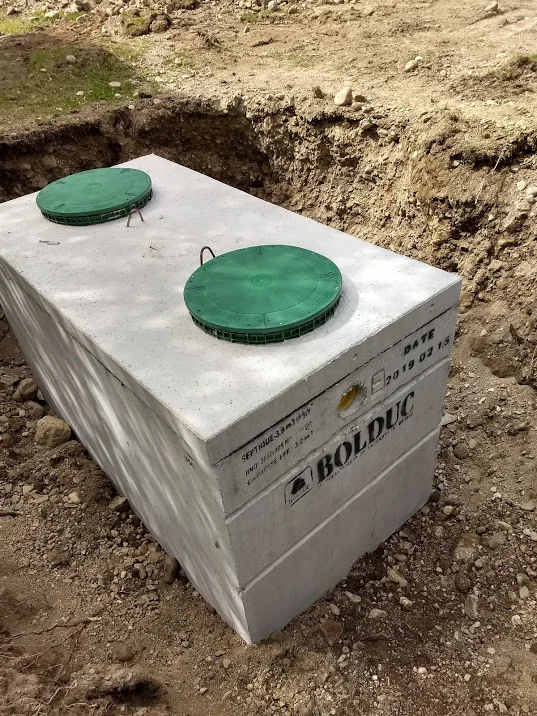
Most rural homeowners have no idea their septic tank has an effluent filter, or that it needs to be cleaned roughly once a year. It's one of the simplest maintenance tasks you can do, it takes about 15 minutes, and it protects the most expensive part of your septic system: the drain field.
I've been living on a rural property in Prince Edward County for years. This is one of those things I wish someone had walked me through earlier, because the people who skip it are usually the ones getting a $20,000 drain field repair call they weren't expecting.
Here's what the filter is, why it matters, and exactly how to clean it yourself.
The Basics
What Is a Septic Effluent Filter?
The effluent filter (also called an outlet filter or baffle filter) sits inside the outlet baffle of your septic tank, the side that flows toward your drain field. Its job is simple: catch any solids or debris before they leave the tank and enter the leaching bed.
Without it, solids can migrate into the drain field pipes over time, clogging the system and eventually causing it to fail. The filter itself is inexpensive, typically $50 to $150 to replace, but what it protects is not.
"The drain field is the most expensive component of your septic system, and the one hardest to repair. A clean filter is what stands between it and the solids in your tank."
Step by Step
How to Clean Your Septic Filter
You don't need a professional for this. You need rubber gloves, a garden hose, and about 15 minutes. Here's the full process:
On older tanks you'll typically find two lids, one over each chamber. On newer tanks, there's often one central access riser. The filter sits on the outlet side, which is the lid closest to your drain field. If you're not sure which side is which, your pump-out company will know, or you can check the as-built drawing if your property has one.
Lift the lid carefully. The filter is housed inside the outlet baffle, you'll see it once the lid is off. It typically slides straight up out of a housing sleeve, though some models twist and lock. Pull it out slowly and have your hose ready.
This part matters: rinse the filter off over the open tank, not on your lawn. You're flushing solids back into the tank where they belong, not spreading them across your yard. A standard garden hose has plenty of pressure to do the job. Work from top to bottom, rotating as you go.
Take a quick look at the filter body. Cracks, broken fins, or visible damage mean it's time to replace it, they're inexpensive and widely available at plumbing supply stores. A damaged filter is no filter at all.
Slide or twist the filter back into its housing, replace the lid securely, and you're done. Make a note of the date, you'll want to do this again in 12 months, or every six months if your household is large or you do heavy laundry and cooking.
Watch It Done
See the Full Process on Video
I've done this myself and filmed the whole thing. Watch below for a complete walkthrough, from lifting the lid to reinstalling the filter.
Full walkthrough, septic filter removal, cleaning, and reinstall. Filmed on my property in Prince Edward County.
- Your toilets or drains are backing up, a clogged filter is often the culprit, but so is a full tank
- The filter is cracked, broken, or doesn't fit back into the housing properly
- You're not comfortable opening the tank yourself, there's no shame in calling a septic contractor for the annual clean-out
- You can't locate the tank or don't have a riser installed, a contractor can dig down to the lid and install one while they're there
- It's been more than 3,5 years since the tank was last pumped, cleaning the filter and pumping go hand in hand
Buying a Rural Property in PEC?
What You Should Know Before You Sign
The majority of properties in Prince Edward County are on private septic systems, there's no municipal sewer connection in most of the County. That means when you're buying, the condition of the septic system matters just as much as the roof or the furnace.
As your agent, it's one of the first things I ask about: When was the tank last pumped? Is there a filter installed? Has it ever been inspected? Does it have a certificate of approval on file? These questions aren't just due diligence, they can shift a negotiation or save you from inheriting a problem that's been quietly developing for years.
A well-maintained system with documentation is a selling point. A neglected one, no pump-out records, no filter, no inspection, is a liability. Knowing the difference before you make an offer is exactly what I'm here to help with.
Frequently Asked Questions
An effluent filter, also called an outlet filter or baffle filter, sits inside the outlet baffle of a septic tank, on the side that flows toward the drain field. Its job is to catch solids or debris before they leave the tank and enter the leaching bed. Without it, solids can migrate into the drain field pipes over time, clogging the system and eventually causing it to fail, and a failed drain field typically costs $20,000 or more to replace in Ontario.
Roughly once a year for most households, or every six months if your household is large or does heavy laundry and cooking. Cleaning it yourself takes about 15 minutes with rubber gloves and a garden hose.
Yes, in most cases. Locate the outlet lid closest to your drain field, lift it out, and rinse the filter off directly over the open tank, not on your lawn, so the solids flush back into the tank rather than spreading across your yard. Inspect it for cracks or broken fins before reinstalling; a damaged filter should be replaced, and they are inexpensive, typically $50 to $150.
Call a septic contractor if your toilets or drains are backing up, if the filter is cracked or won't fit back into its housing properly, if you can't locate the tank or don't have an access riser installed, if it's been more than 3 to 5 years since the tank was last pumped, or if you're simply not comfortable opening the tank yourself.
Ask when the tank was last pumped, whether a filter is installed, whether the system has ever been inspected, and whether there's a certificate of approval on file. Since most of Prince Edward County has no municipal sewer connection, the septic system's condition matters just as much as the roof or furnace, and a well-documented, well-maintained system is a selling point while a neglected one with no records is a liability.

The County market, once a month: no noise.
CLAR MLS data, honest analysis, and what it means for buyers and sellers in Prince Edward County. One email a month.
- Sales volume, prices & days on market, straight from CLAR
- What's moving and what's sitting, and why
- Area guides and advice for buyers and sellers across PEC
No spam. Unsubscribe any time.