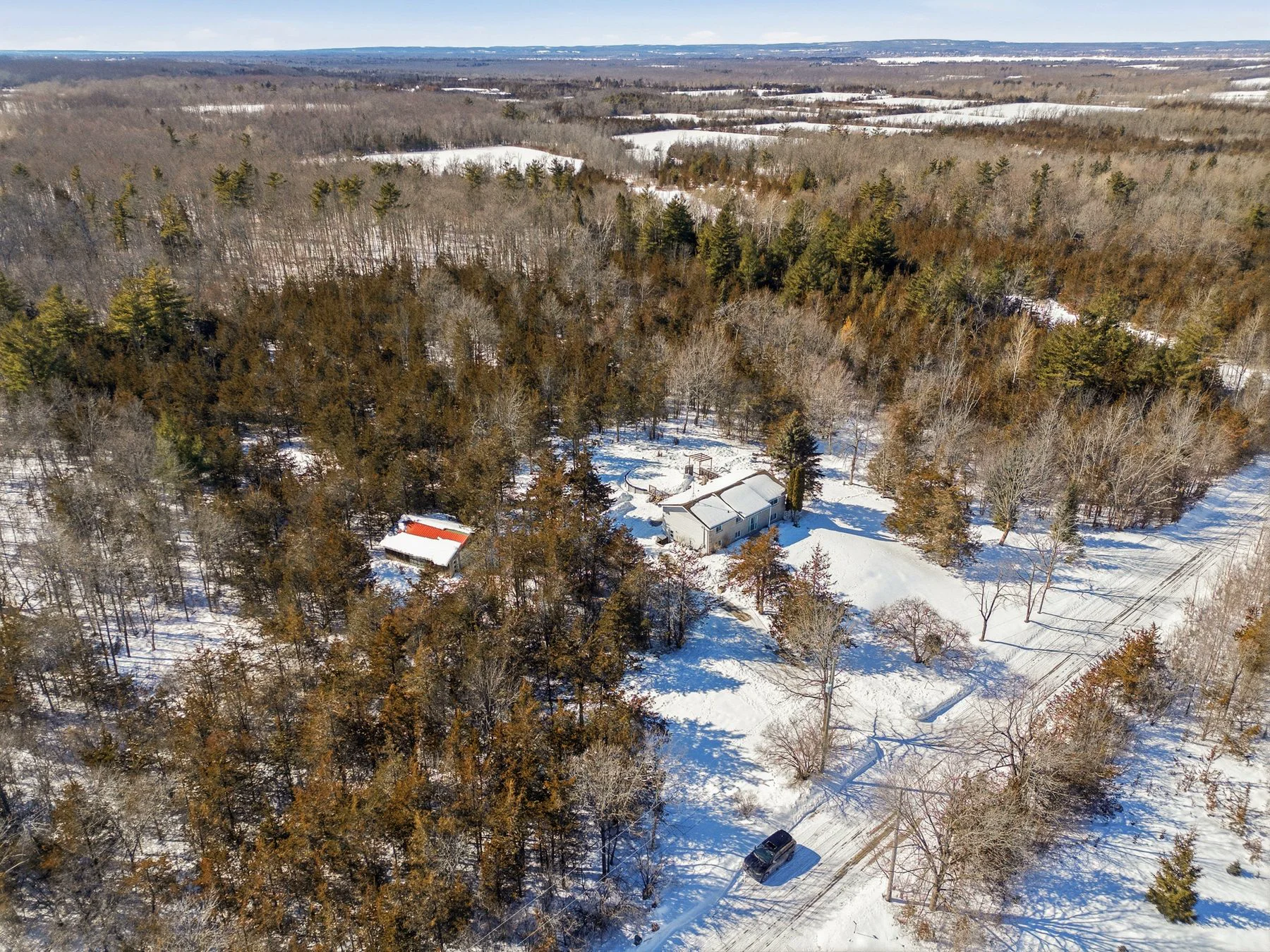
Every fall, right around the time of the first morning that I need to throw a jacket on, the same feeling comes over me. I guess I better take a walk around our property and see what needs to be done for winter.
It is always more or less the same list. Get the outside taps shut off and drained before the first deep frost. Get up and clear the eavestroughs. Clean the septic filter. Have a good look at the roof while I can still stand on it without snow, and see if anything needs to be addressed.
None of it is hard. All of it is the kind of thing that quietly becomes a real problem if I leave it until it is too cold to want to be outside at all.
Fall is the time to get that last look in on everything, to ensure you have a smooth winter and everything goes well. Every job on this list is cheap and straightforward in September and October. Every one of them is expensive, urgent, and miserable in January.
Most fall maintenance checklists are written for suburban homes on municipal services. That covers part of what we deal with here, but it misses the things that actually cause trouble in Prince Edward County and the Quinte area: private wells, septic systems, wood heat, long driveways, power outages, and shoreline that freezes. So this checklist covers the standard items, and then it covers the rural ones that matter just as much.
Work through it before the first hard frost, which usually lands sometime in October around here.
Exterior
01 · Roof & Eavestroughs
Clear the Gutters Twice, Not Once
Clogged eavestroughs are the single most common cause of winter water damage, and they are the reason ice dams form at the edge of a roof. Water that cannot drain sits, freezes, expands, and works its way back under the shingles.
- Clear leaves and debris from eavestroughs and flush the downspouts with a hose
- Confirm downspouts still direct water at least 3 feet away from the foundation
- Tighten loose brackets and check the seams for leaks
- Scan the roof for missing, cracked, or lifted shingles left over from summer storms
- Check the flashing around the chimney, skylights, and vent stacks
- Clear leaves off a flat or low-slope roof section if you have one
If you have mature trees, clean twice. Once in early fall, and again after the leaves have finished dropping in late October. A single early cleaning fills right back up, and the second one is the cleaning that actually protects you.
02 · Windows, Doors & Air Leaks
Seal the Leaks Before the First Cold Snap
Air leaks are the cheapest problem on this list to fix and the most expensive one to ignore. Every gap you seal in October is money you are not sending up the chimney for the next five months, and it takes load off a furnace that has to run all winter.
- Replace worn weatherstripping around exterior doors, including the door to an attached garage
- Re-caulk gaps around window frames, both inside and out
- Check basement and crawlspace windows, which are usually the worst offenders and the least inspected
- Swap screens for storm windows if your home still has them
- Seal gaps where pipes, wires, and vents pass through exterior walls
- Check the weatherstripping and bottom seal on the garage door
Find the leaks on a windy day. Hold a lit incense stick near window frames, door edges, and outlets on exterior walls and watch where the smoke pulls sideways. It finds drafts you will never feel with your hand.
03 · Outdoor Plumbing
Shut Down the Outside Water
A burst supply line is the most expensive thing on this page, and it is almost entirely preventable in about twenty minutes.
- Disconnect every garden hose, drain it, and store it inside
- Shut the interior valve feeding each outdoor tap, then open the tap outside to let the line drain
- Fit insulated covers over exterior taps once the lines are drained
- Blow out or drain any irrigation lines and shut off the timer
- Drain and store hoses and pumps used for pools, ponds, or gardens
Disconnecting the hose is the step people skip, and it matters most on frost-free taps. A hose left attached traps water inside the exact section of pipe that is designed to drain, which defeats the whole point of a frost-free fixture.
04 · Grounds & Structures
Put the Yard to Bed
Frost gets into cracks, water expands, and small damage becomes big damage over a single winter. Everything you seal or clear now stays the same size until spring.
- Fill and seal cracks in the driveway and walkways before the freeze-thaw cycle widens them
- Trim dead or overhanging branches, especially anything above the roof, the driveway, or a power line
- Rake leaves off the lawn so it does not smother and develop snow mould
- Aerate, overseed, and fertilize the lawn while the ground is still workable
- Clean, cover, and store patio furniture, planters, and the barbecue
- Sweep leaves and debris off the deck, and check for soft boards or rot at the posts
- Mark the edges of the driveway with stakes before the snow hides them, which your plow driver will thank you for
- Stock salt or sand and confirm the snowblower starts, before you need it
"Everything on this list is a small job in October. The exact same list becomes an emergency call in January, at winter rates, with a two-week wait."
Rural & Waterfront
This is the part the national checklists leave out, and it is the part that matters most for a lot of County properties.
05 · Well & Septic
Look After the Systems You Own Yourself
On a rural property you are the water utility and the sewage treatment plant. Nobody else is checking. Fall is the right time to get ahead of both, because a frozen wellhead or a backed-up septic in February is a very bad week.
- Test your well water, which Hastings Prince Edward Public Health does for bacteria free of charge
- Check the well cap is intact and sealed, and that the ground still slopes away from the casing
- Insulate or heat-trace any exposed water line running through an unheated space
- Clean your septic filter, which is a fifteen minute job that prevents a very unpleasant one
- Book a septic inspection if you are due, and note the location of the tank lids before snow covers them
- Know where your main water shutoff is, and make sure everyone in the house knows too
Sample bottles for well testing are free at the public health office at 35 Bridge Street in Picton, and at their other locations. Seasonal testing is what they recommend, and fall is a sensible one to actually do.
Do not pump out the septic tank before an inspection. The tank has to be at its normal working level for anyone to properly assess the baffles and the sludge depth. Pumping first destroys the evidence the inspector needs. Inspect, then pump if the inspection says to. More on that in the 5 well and septic questions to ask before you offer, and here is how to clean the filter yourself.
06 · Wood Heat & Chimneys
Service the Woodstove Before You Light It
Plenty of County homes run a woodstove or fireplace as primary or backup heat. Creosote builds up in the flue over a season of burning, and creosote is what chimney fires are made of.
- Book a WETT certified sweep and inspection, and do it in September before they are booked solid, since bundling the two runs $400 to $600 against $250 to $400 for the inspection alone
- Check the chimney cap and the masonry for cracks or loose mortar
- Confirm the damper opens, closes, and seals properly
- Replace the door gasket if it no longer holds a piece of paper when the door is closed
- Stack firewood off the ground, covered on top, and open on the sides so it keeps drying
- Keep the woodpile away from the house, which keeps mice and insects away from the house too
Keep your WETT inspection paperwork. If you sell, insurers and buyers will both ask for it, and having a current one on file removes a condition that otherwise slows a deal down.
07 · Power Outages & Fuel
Assume the Power Will Go Out
Ice storms and high winds take out rural lines regularly, and rural lines are the last ones restored. If you are on a well, no power also means no water, and if you are on a septic pump, it means no drainage either.
- Start and run the generator under load, change the oil, and put fresh stabilized fuel in it
- Confirm the transfer switch works, and never run a generator in a garage or anywhere near a window
- Top up the propane or oil tank before the fall delivery rush
- Stock drinking water, since an electric well pump stops the moment the power does
- Charge the flashlights and check the batteries in the radio
- Keep the driveway clear enough that a utility or fuel truck can actually get in
08 · Docks & Shoreline
Get It Out Before the Ice Comes
Ice does not push gently. A dock left in over the winter on the Bay of Quinte or Lake Ontario can be lifted, twisted, or carried away entirely, and shoreline structures take the same abuse.
- Pull or lift removable docks, ramps, and boat lifts well before freeze-up
- Store the boat, drain the lines, and winterize the engine
- Check the shoreline and any retaining wall for erosion or undermining from the summer
- Bring in ladders, swim rafts, and anything else the ice can reach
- Secure or store outbuildings and boathouse contents that could freeze
Interior
09 · Heating System
Service the Furnace in September
The worst time to discover your furnace has a problem is the first genuinely cold night, which is also the night every HVAC company in the region is fully booked. Get it looked at while it is still shoulder season.
- Book an annual service before the rush, which runs $120 to $250 in Ontario, and September is the right month for it
- Replace the furnace filter, then keep replacing it every one to three months through the winter
- Run the heat for a few minutes now to confirm it fires and to burn off the dust smell early
- Bleed hot water radiators if you have them
- Clear leaves and debris away from exterior intake and exhaust vents, and remember to keep them clear of snow all winter
- Flip ceiling fans to run clockwise on low, which pushes warm air back down off the ceiling
- Set the programmable or smart thermostat to its winter schedule
- Vacuum the dryer lint trap and have the dryer vent cleaned out
10 · Attic & Insulation
Stop Ice Dams Before They Start
An ice dam is not a roofing problem. It is an insulation problem. Heat escaping into the attic melts the snow on the roof, the meltwater runs down to the cold overhang, refreezes there, and builds a ridge of ice that backs water up under the shingles.
- Get into the attic and look for damp insulation, staining on the sheathing, or daylight where there should not be any
- Top up insulation to current levels, especially over the areas that stayed clear of snow last winter
- Confirm the soffit vents are not blocked by insulation, because a cold attic is a dry attic
- Seal around the attic hatch, plumbing stacks, and any pot lights below
- Confirm bathroom and kitchen fans vent outside, not into the attic
- Look for droppings, chewed insulation, or nesting, since fall is when mice move indoors
Think back to last winter. If one section of your roof was always bare while the rest held snow, that is exactly where heat is escaping, and that is where the insulation work should start.
11 · Basement & Sump Pump
Test the Sump Pump Now
Basement flooding tends to happen during the winter thaw or the spring melt, and a sump pump that has been sitting idle since June is not something to take on faith.
- Pour a bucket of water into the pit and confirm the float triggers and the pump actually runs
- Check the discharge line runs well away from the foundation and cannot freeze shut
- Consider a battery backup, because storms take the power out and the pump at the same moment
- Clear window wells and install covers
- Insulate exposed pipes running along basement or crawlspace exterior walls
- Look along the foundation for new cracks or damp patches while it is still dry enough to see them
12 · Safety Checks
The Ten Minutes That Matter Most
Heating season is when house fires and carbon monoxide incidents spike, for the obvious reason that this is the season everything combustible gets turned on. This is the shortest section here and the one worth doing first.
- Test every smoke alarm and replace the batteries
- Test the carbon monoxide alarms, which Ontario requires near sleeping areas in any home with a fuel-burning appliance, a fireplace, or an attached garage
- Replace any alarm older than ten years, since the sensors expire whether or not the unit still chirps
- Check the fire extinguisher gauge and confirm it is still charged
- Clear anything combustible away from the furnace, the water heater, and the woodstove
- Walk the escape plan with the family, including where you meet outside
Budgeting
What This Actually Costs in Ontario
Most of this list is a Saturday and a ladder. For the jobs worth hiring out, here is what Ontario homeowners were paying in 2026, so you can plan the fall rather than react to it.
| Job | Typical range |
|---|---|
| Well water bacteria test, through your local public health unit | Free |
| Furnace tune-up and safety inspection | $120 to $250 |
| Eavestrough cleaning, bungalow | $150 to $225 |
| Eavestrough cleaning, two storey with downspout flush | $200 to $325 |
| Chimney sweep | $150 to $375 |
| WETT certified inspection | $250 to $400 |
| WETT inspection bundled with a sweep | $400 to $600 |
| Septic tank pump-out, standard residential tank | $300 to $600 |
| Attic insulation top-up, blown-in | $1,500 to $4,000 |
| What you are avoiding: a burst pipe, plus the water damage restoration behind it | $1,000 to $5,000 |
That last row is the whole argument. Draining an outdoor tap costs nothing and takes twenty minutes. The failure it prevents costs more than every other line on this table combined.
Thinking About Selling?
This Matters More Than You Think
If a spring listing is anywhere in your plans, this checklist is not just about comfort over the winter. Winter is the season that turns deferred maintenance into visible damage. An ice dam becomes a ceiling stain. A cracked driveway becomes a crumbling one. A sump pump nobody tested becomes a finished basement full of water in March.
Every one of those shows up in photos, in showings, and in the home inspection. Buyers read them as a signal about how the whole property has been looked after, and that read affects both what they offer and how fast they offer it. Sellers who come through the winter clean get to market in April without a repair list hanging off the deal, and that feeds straight into how a County home gets priced.
On rural properties it goes further. Well records, a current WETT certificate, and a recent septic inspection are the exact documents that buyers and insurers ask for. Having them in a folder before you list removes conditions, shortens timelines, and takes the guesswork out of the conversation.
Frequently Asked Questions
Start in September. Book your furnace service and chimney sweep early, because those trades fill up fast once the first cold night arrives. Anything involving water lines, outdoor taps, or docks should be finished before the first hard frost, which typically lands in October in Prince Edward County and the Quinte area.
If you have mature trees, yes. Clean once in early fall and again after the leaves have finished dropping, usually late October or early November. A single early cleaning fills right back up, and clogged eavestroughs are a direct cause of ice dams and foundation water problems over the winter.
Disconnect the garden hose first. That is the step people skip, and it matters most on frost-free taps, because a connected hose traps water inside the section of pipe that is supposed to drain. After the hose is off, shut the interior valve that feeds the tap, then open the tap outside to let the line drain completely. Insulated covers are a useful extra layer but they do not replace draining the line.
Have it inspected, but do not pump it out first. A septic tank has to be at its normal working level for anyone to properly assess the baffles, the sludge depth, and whether the system is actually functioning. Pumping it out before the inspection destroys the evidence the inspector needs. Book the inspection, and pump only if that inspection says it is due.
Most of the list is free if you do it yourself. For the jobs worth hiring out, Ontario pricing in 2026 ran roughly $120 to $250 for a furnace tune-up, $150 to $400 for eavestrough cleaning, $150 to $375 for a chimney sweep, $250 to $400 for a WETT inspection, and $300 to $600 for a septic pump-out. Bacterial well water testing is free through your local public health unit. For comparison, a burst pipe plus the water damage restoration behind it typically runs $1,000 to $5,000, which is more than the entire prevention list combined.
It matters more than most sellers expect. Winter is when deferred maintenance turns into visible damage, and ice dams, a failed sump pump, or a cracked driveway are far more expensive to fix in April than to prevent in October. A home that comes through the winter well is a home that photographs better, inspects cleaner, and gets to market in spring without a repair list attached to it.

The County market, once a month: no noise.
CLAR MLS data, honest analysis, and what it means for buyers and sellers in Prince Edward County. One email a month.
- Sales volume, prices & days on market, straight from CLAR
- What's moving and what's sitting, and why
- Area guides and advice for buyers and sellers across PEC
No spam. Unsubscribe any time.